Get Involved
Make an impact
Wings of Hope needs your help. Our mission is to prevent youth substance use through education, awareness, and policy change, and it takes the whole community to make that happen. Whatever your age, job, skills, or schedule, there's a place for you here.
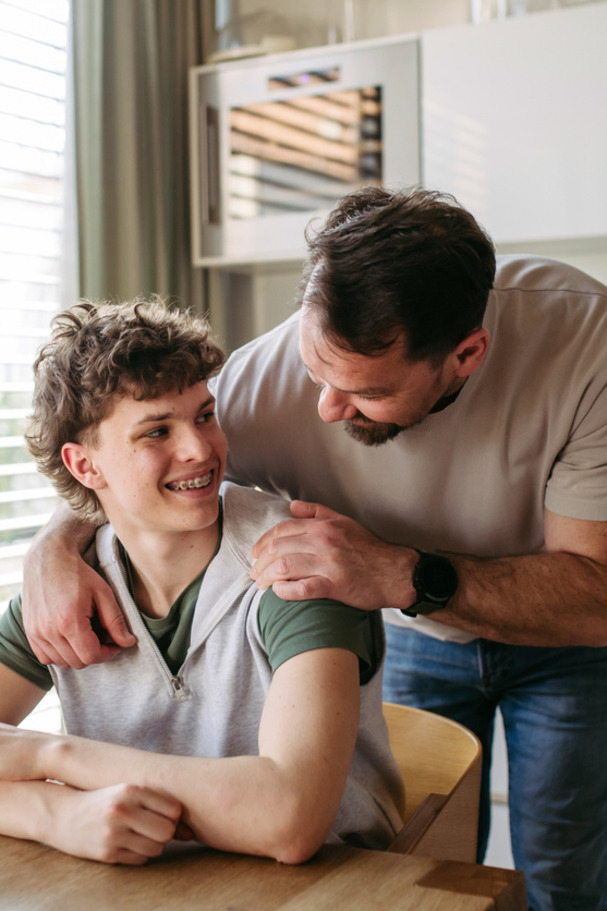
Parents
- Start conversations with your child early. Exposure to conversations around alcohol and drugs are inevitable, whether it be through peers, the media, or adults in their lives. Research shows that children and teens care what their parents think about alcohol and drugs and respect their rules. The Substance Abuse and Mental Health Services Administration (SAMHSA) offers a comprehensive guide here.
- Model healthy behavior. Research shows that children watch what their parents do and very often model those behaviors. By being aware of your own habits with substances you can help your child develop a healthy understanding of substances and avoid misuse in the future.
- Lock up substances. No matter your child’s age, if substances are lying around the house, there is risk of misuse whether it be intentional or unintentional. By locking up your own substances you can help prevent them getting into the wrong hands.
- Volunteer. Parent volunteerism sets a good example to youth and directly involves you in the lives of your children! Contact us to see how you can make an impact in your community and work to educate, raise awareness, and promote policy change. Contact us at info@eastonwingsofhope.org.
- It’s always okay to seek help. Being a parent isn’t easy, nor has it ever been. If you think you might struggle with a substance use disorder, there are resources available to you. Visit our Get Help page for more information.
Youth
- Ask questions. It’s good to ask questions about drugs and alcohol! There are always adults who will welcome your questions, whether it be a parent, teacher, coach, or counselor. Find someone you trust and have a conversation, whether it be about your concerns or curiosity; there are people to talk to.
- Encourage your peers that you stay away from drugs and alcohol, and they should to! Peer pressure is incredibly powerful, but is typically viewed in a negative light. The truth is, you can have a positive influence on your peers by encouraging them that using substances isn’t the norm, and encouraging them to engage in different activities with you.
- Use your voice. Did you know that your voice is incredibly important and influential? Young people bring fresh perspectives, new insight, and eagerness to the table. Your voice has an impact and you can use it with your family & friends, in your schools, and with elected officials to promote education, raise awareness, and advocate for policy change by simply having conversations about substance misuse.
- Volunteer in your local student coalition. The Easton Wings of Hope Student Coalition meets every month and learns what’s happening in the community, plans campaigns, discovers ways to make a difference in the community, and they eat pizza. What more could you want? If you’re interested in joining you can email our Coordinator, Kelly Reed, at kreed@oldcolonyymca.org.
- It’s always okay to seek help. We live in a challenging world. If you think you might struggle with a substance use disorder or mental illness, there are resources available to you. Visit our Get Help page for more information.

Community Members
- Promote messaging within your business/organization. You can influence your community by promoting positive substance-free messaging within your business or organization. Contact info@eastonwingsofhope.org to find out more.
- Identify signs and risks. By learning the signs and risks of substance use, you can help identify substance misuse and reduce stigma.
- Volunteer. Use your role in your community to volunteer time and resources to make an impact and work to educate, raise awareness, and promote policy change. Contact us at info@eastonwingsofhope.org.
- It’s always okay to seek help. We live in a challenging world. If you think you might struggle with a substance use disorder or mental illness, there are resources available to you. Visit our Get Help page for more information.